
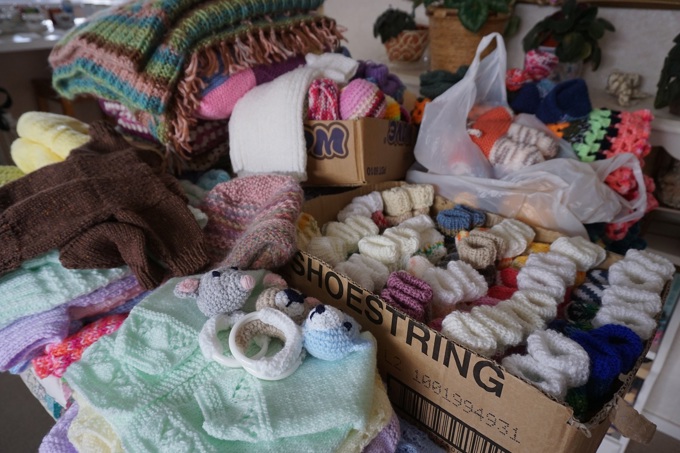
It was in the late 1980s when Maureen first learned about Hospice West Auckland. Founder Beverley Revell visited Maureen’s church to seek help from the community in getting a Hospice service established for the West Auckland region. “It was a sermon at church,” Maureen recalls. “Beverley came on the Sunday morning and talked to us about forming a Hospice instead of the vicar speaking.” For Maureen and her husband David, it was the start of what would be decades of involvement supporting Hospice West Auckland.
At the time, Maureen says cancer was rarely discussed openly. “People that got cancer sort of hushed, and kept it to themselves,” she explains. “There was nowhere for them to go, so the idea was to keep them in their own home and support them there.”
In those earliest days, a group of passionate individuals worked tirelessly to establish the palliative care service. Meetings were informal and practical. “I think the first few meetings were up in Beverley and Phillip’s garage,” Maureen says. There were no offices, no formal volunteer systems, and very few resources. We were a small group of people trying to support people with cancer who were suffering at home, often in silence.”
Maureen and her husband David became part of this response. David joined the committee, helping on the governance and organisational side, as well as offering companionship to patients and providing families with much-needed breaks. Maureen fitted Hospice volunteering around raising her family, working part-time, and the many other forms of community support that filled her days.
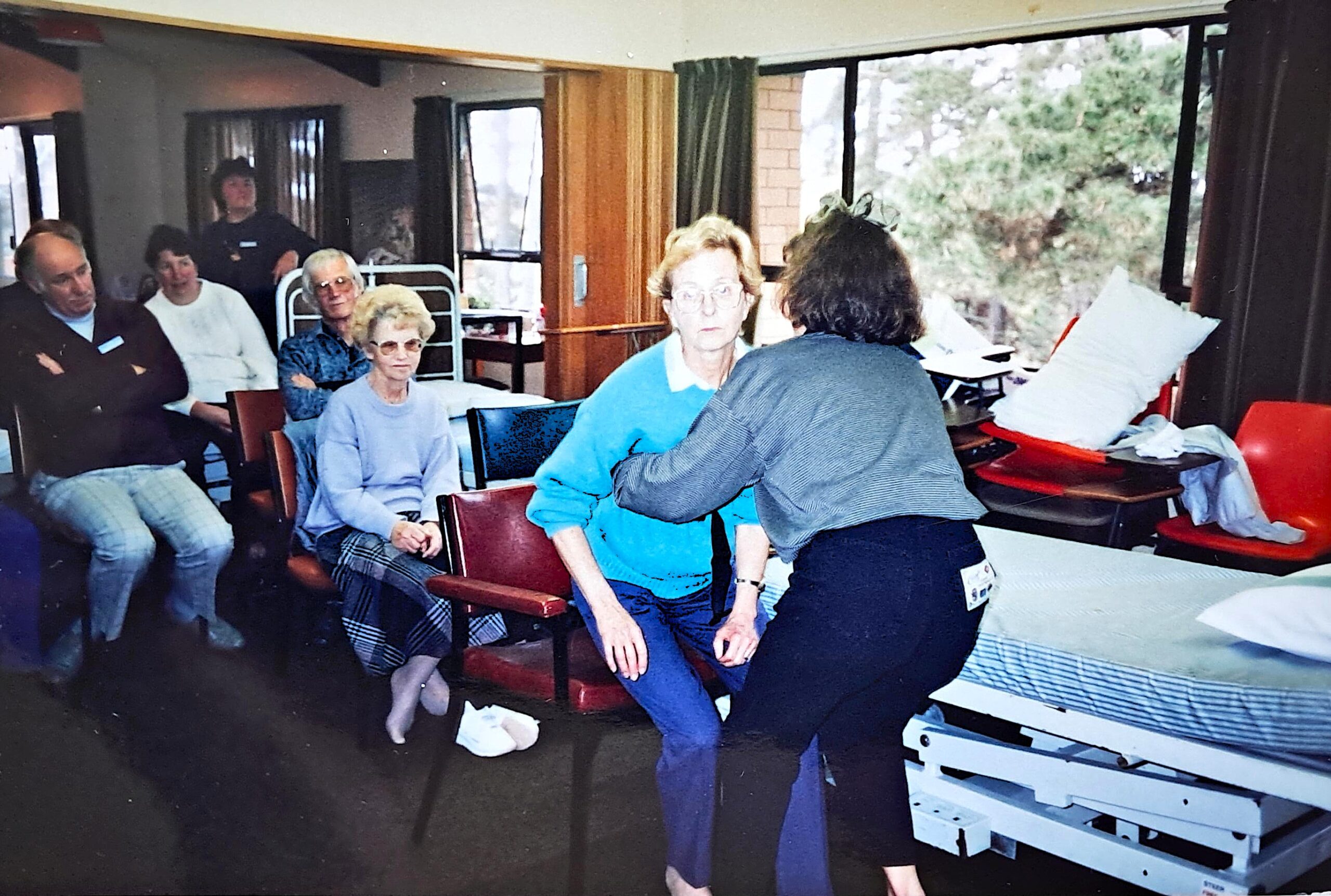
Volunteers learning how to lift patients
“There weren’t a lot of us in those days,” she says. “It was all done by phone. They’d ring and ask if you could go and sit with someone while their husband went shopping, or while a family member had an appointment. Sometimes they just wanted to spend a couple of hours in the garden without worrying.”
That companionship became an essential part of early Hospice care in West Auckland. In addition to the vital medical care Hospice provided, volunteers like Maureen and David offered time: sitting, listening, making tea, keeping someone company so that life could carry on, even briefly, for families under strain.
As David had more flexibility around his shift work and transport by way of their family car, he was able to support many male patients in ways that helped them retain a sense of normality. “Often they just wanted to go back to their sports club,” Maureen says. “Have a drink on a Friday night, or go down to the bowling club, or even just go and look at the harbour.” David would drive them to their appointments or to those meaningful places.
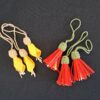
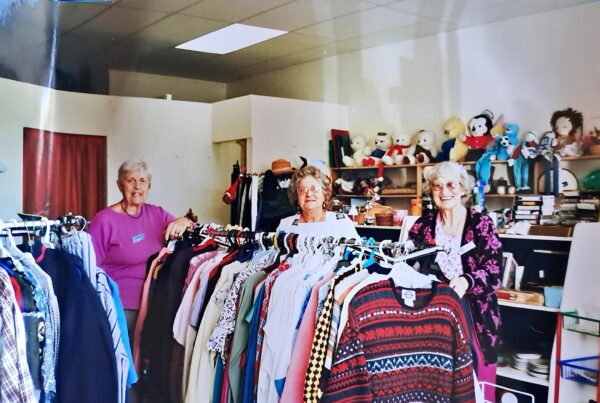
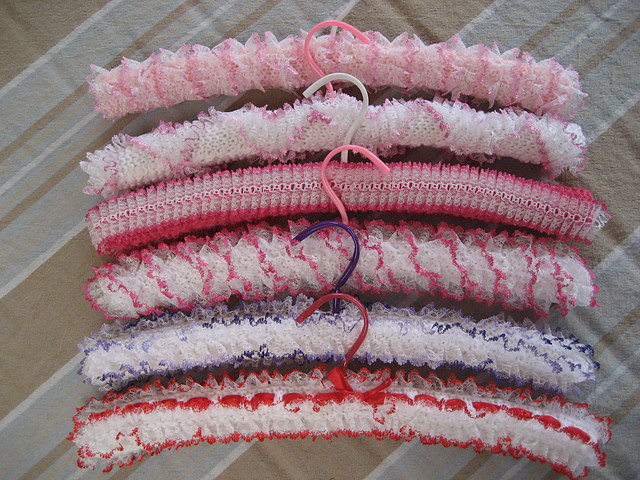
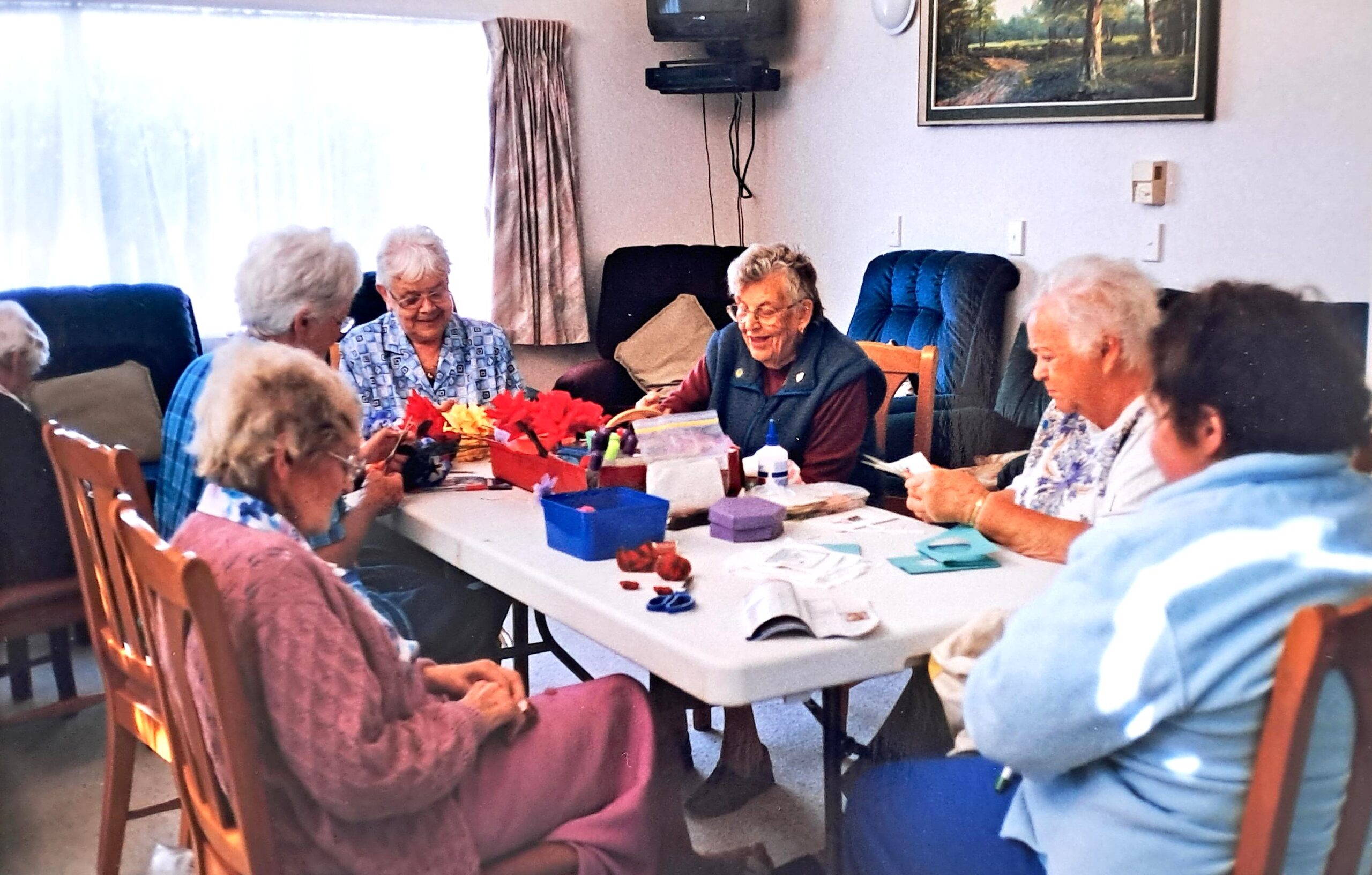
As Hospice West Auckland grew through the 1990s, so did the ways Maureen supported it by using her practical skills: sewing, knitting, mending and making. When donated clothing arrived in bulk, often straight from families clearing out wardrobes after a death, she found ways to make it usable and saleable. When coat hangers piled up, she learned to knit covers for them that were sold at market stalls and later in the Hospice Op Shops. “I must have done thousands of those over the years,” she smiles.
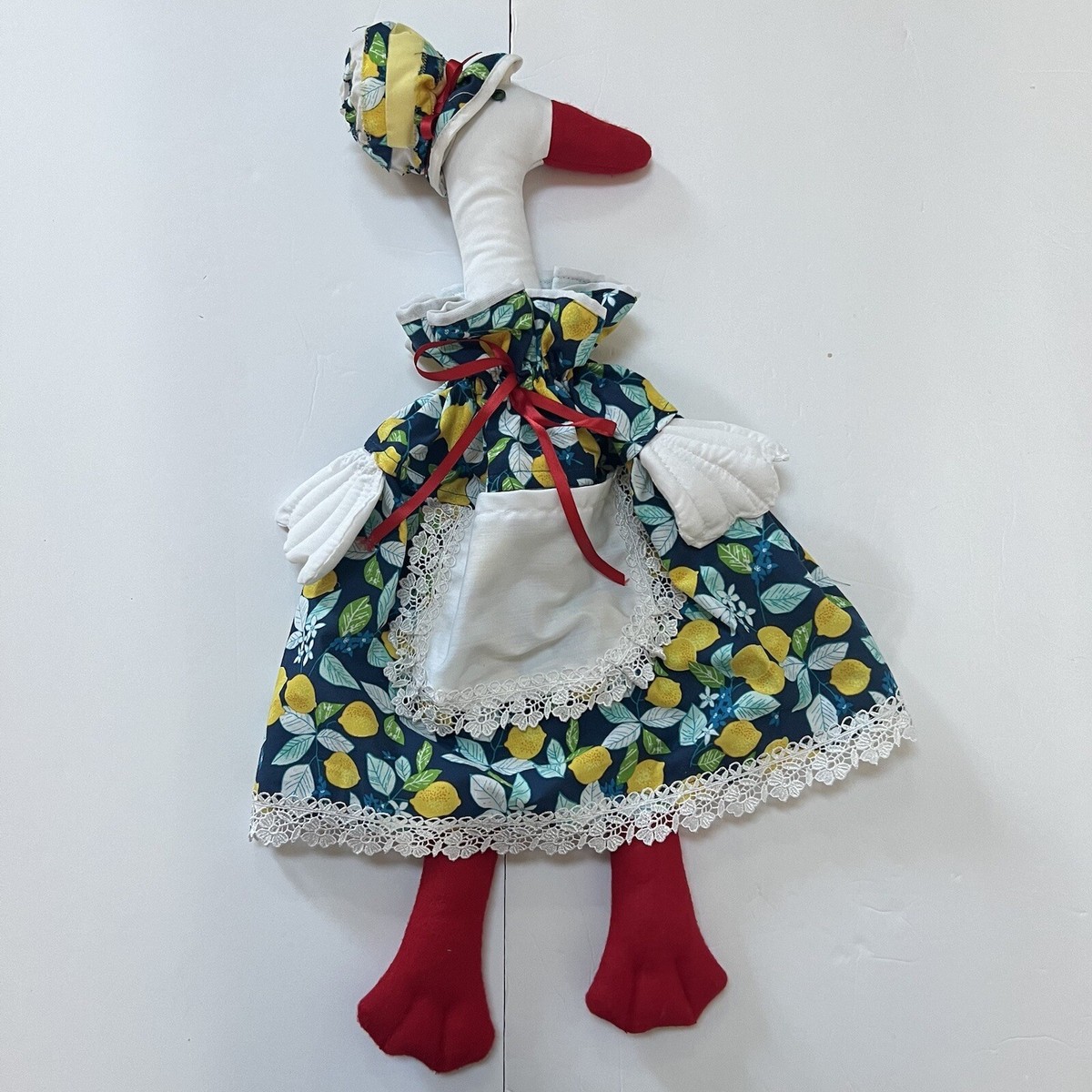
There was, in Maureen’s world, “no such thing as waste.” Marked fabric from sheet factories were used to make pyjamas for children. Trouser legs became boys’ boxer shorts. Donated fabric was turned into all kinds of creative crafts, including plastic bag holders. There was a network of volunteers who all contributed, cutting patterns, sewing seams and stitching buttons to create items that helped fundraise for Hospice and support the wider community.
Maureen and David eventually shifted out of Te Atatū to settle in Waimauku in the early 2000s. They continued to provide companionship to patients in their local area, visiting people on the farms.
When David became ill with cancer himself, Hospice support surrounded them. Nurses visited, equipment was provided, and practical advice was offered. David died at home with Maureen and their son beside him, supported by his Hospice nurse. “They took such good care of him, he never suffered,” says Maureen.
From the early days of meetings in garages, coordinated by phone calls and goodwill from dedicated people, Hospice West Auckland has grown into a vital service for the region. And Maureen believes that at its heart the service remains unchanged. “It was about doing what needed doing,” she says simply. “Comfort. Practical help. Being there. And it still is.”
Forty years on, Hospice West Auckland stands on foundations laid by people like Maureen and David – volunteers who gave their time and skills wherever and whenever needed, and believed in dignity, kindness, and community.